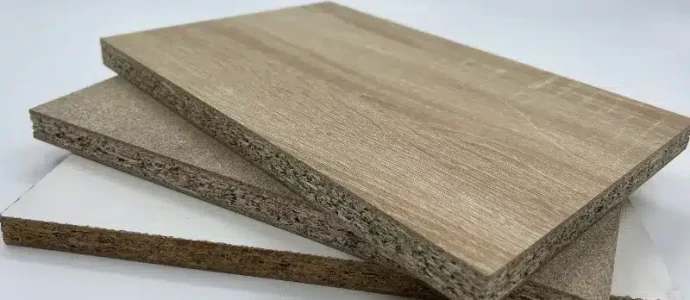
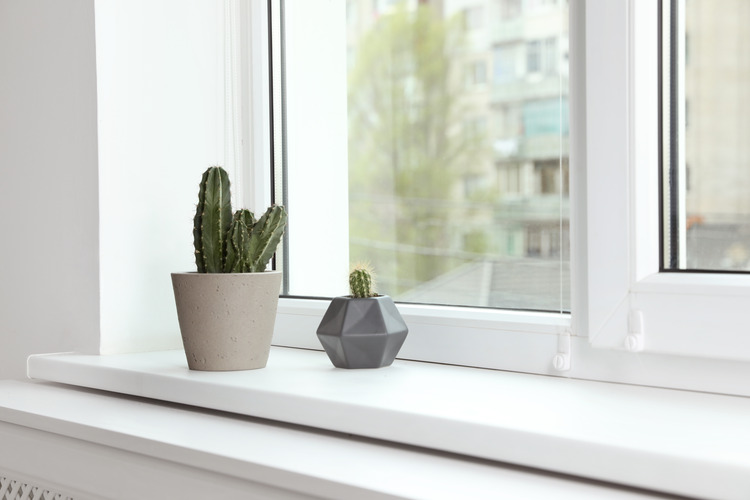
Window boards, which are frequently disregarded, are essential for improving the functionality and aesthetics of windows in commercial and residential environments. Made from Medium-Density Fibreboard (MDF), these boards provide several advantages beyond their ornamental value. Made from wood fibers, MDF is a flexible material that is environmentally favorable choice for window boards because of its sustainable manufacturing method and recyclability. Understanding the environmental benefits of MDF window board has become crucial as more people look for eco-conscious building materials.
Sustainable Raw Material Sourcing
Made from wood fibers, MDF window boards are usually obtained from fast-growing, renewable tree species. Unlike solid wood, which can call for the cutting of old-growth trees, MDF employs smaller, younger trees, so guaranteeing forest preservation and maintenance of biodiversity. Raw materials for MDF production also frequently come from sawmill waste or other wood byproducts, which would otherwise be wasted. By lowering the need for virgin timber, this recycling of wood waste helps to promote sustainable forest management techniques.
Manufacturing Process That Is Energy Efficient
MDF window board fabrication uses less energy than solid wood furniture or board manufacture. Usually, the process consumes less water and energy and produces less pollution. Moreover, MDF boards don’t need great chemical treatments or dangerous finishes as they are created by applying heat and pressure connecting wood fibers together. MDF window boards are a more energy-efficient option than other kinds of window boards or timber panels since they have a less carbon footprint.
Long-lasting Durability
MDF window boards are made to outlast many conventional wood materials. MDF is perfect for settings where temperature and humidity can vary as its smooth, solid structure resists warping, cracking, and shrinking. This longevity lessens the need for regular replacements, hence lowering the use of raw materials and the production of trash. MDF window boards’ longer lifetime results in less resource need over time, therefore helping to lower the whole environmental effect.
Ultimately, from sustainable sourcing and energy-efficient manufacturing to long-lasting durability and recyclability, MDF window boards provide important environmental advantages. For environmentally aware customers, their capacity to cut waste, save resources, and limit use of toxic chemicals makes them perfect choice. Choosing MDF window boards is a straightforward yet powerful approach to a more sustainable future as we keep looking for methods to develop greener homes and structures. A window board constructed of MDF can enable us to lower our environmental effect by improving the beauty of our living areas.