
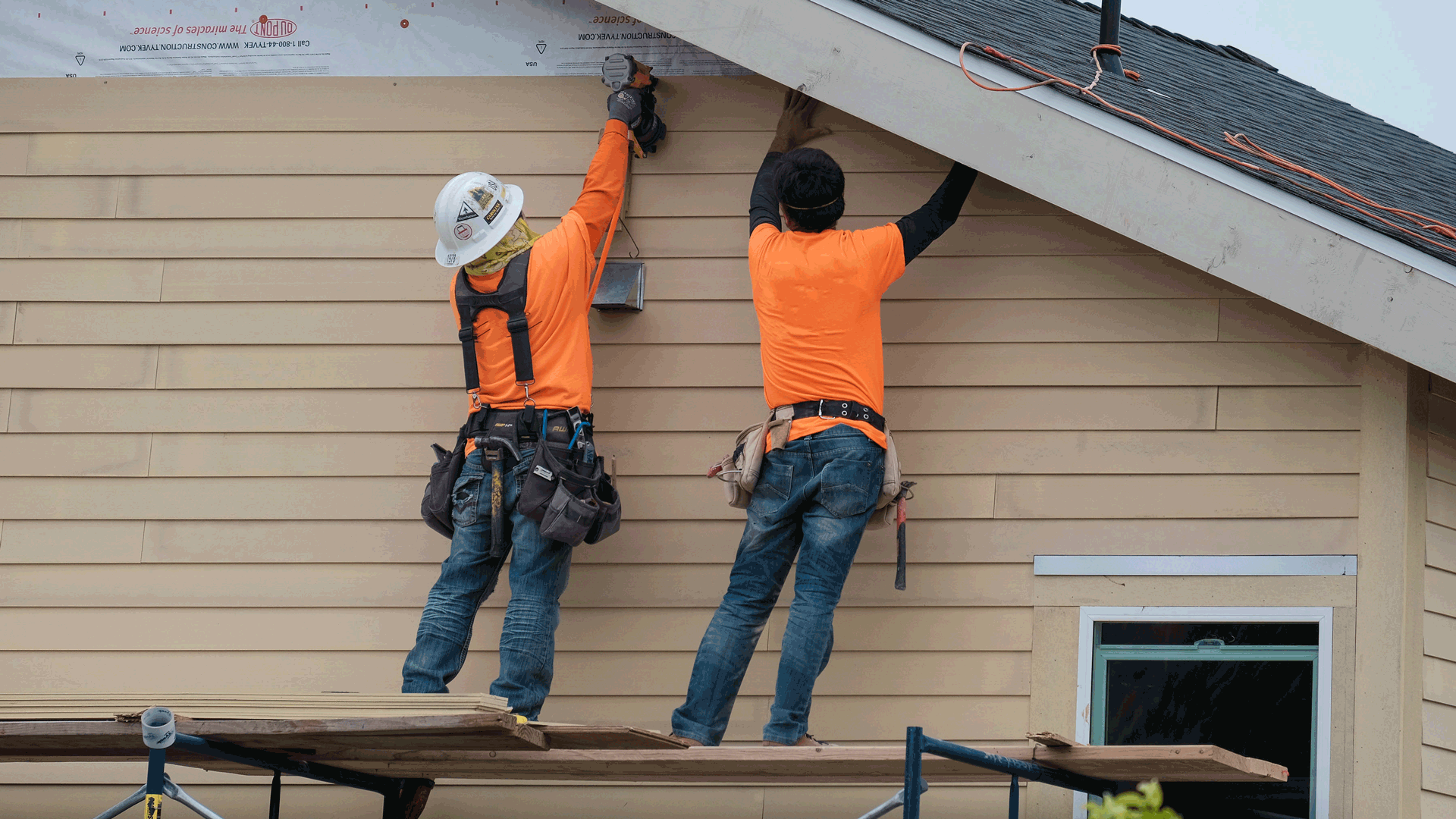
A roof repair estimate can look surprisingly simple on paper. There may be a few lines describing labor, materials and the work itself. For a homeowner, though, the situation behind those numbers can be less simple. A small visible problem does not always tell you how much work is involved, and two repairs that look similar from the ground may require very different approaches.
This is one reason homeowners searching click here for roofing in corpus christi should first try to understand what is actually being repaired. The price is only one part of the conversation.
Look at the repair scope carefully
When reviewing a roofing estimate, it can help to separate the work into a few basic categories.
| Part of the estimate | What to look for |
| Inspection findings | What problem was actually identified? |
| Materials | What roofing materials are being used? |
| Labor | What work will be carried out? |
| Damaged area | How much of the roof is involved? |
| Additional work | Are related components also affected? |
| Cleanup | Is removal of damaged material included? |
| Follow-up | Is there anything the homeowner should monitor afterward? |
The goal is not to become an expert in roofing estimates.
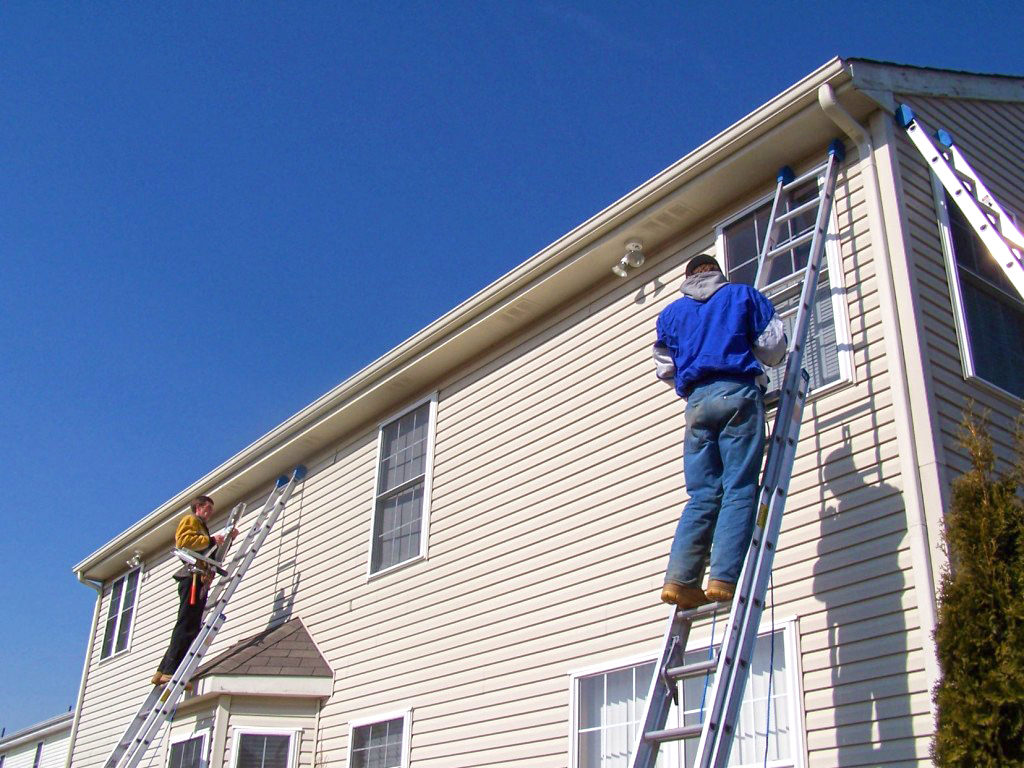
Repair does not automatically mean replacement
This is worth saying because homeowners sometimes assume the two are connected. A roof can need a repair without needing to be replaced entirely.
The appropriate solution depends on the actual condition of the roofing system. A localized issue may be handled differently from widespread deterioration.
Roof age can be part of the discussion, but age alone does not describe the entire condition of a roof.
A professional assessment can help determine whether the problem appears limited or whether there are broader concerns.
Weather can complicate things
Roof damage is sometimes discovered after a storm. Strong wind, heavy rain and falling debris can all affect roofing materials. In some cases, the damage is immediately visible. In others, the homeowner notices something later when a leak appears.
After severe weather, it is useful to look around the property before assuming everything is fine.
Check for:
- Roofing material in the yard
- New debris near gutters
- Missing or displaced shingles
- Visible damage around roof openings
- New interior stains
- Water in an accessible attic
You do not need to climb onto the roof to do this.
In fact, a storm-damaged roof may be particularly unsafe to walk on.
Know what you are paying to fix
A homeowner does not need to know every roofing term before hiring someone. But it is reasonable to understand the basic situation.
What failed? Where is the damage? What work is proposed? Are there related issues? What materials will be used? Is the repair intended to address a single area or a larger problem?
Those questions make a roofing conversation much clearer.
For anyone who wants to click here for roofing in corpus christi, that background can be useful before requesting or comparing repair work.
The aim is not to predict the cost from a few photographs. It is to understand why the work may cost what it does and whether the proposed repair matches the condition that was actually found.